


Plan your off-grid setup
12V camera power usage,
clearly explained.
See what your camera uses by day and night, estimate battery runtime and allow for the conditions at your site.
A useful starting point
How long could your battery last?
Choose your camera and battery, then adjust the day/night balance and usable capacity.
900Wh ÷ 92.8Wh per day
Theoretical maximum at 100% capacity. Allow for losses and a reserve.
For one continuously powered 12V camera, with no solar charging. Based on the approximate wattages below. Real runtime depends on battery condition, temperature, signal and infrared use. The standalone Solar 4G Camera is not included.
Know what your camera uses
Daytime power. Night-time power.
Infrared night vision usually uses more power. These approximate figures are the basis of the estimates on this page.

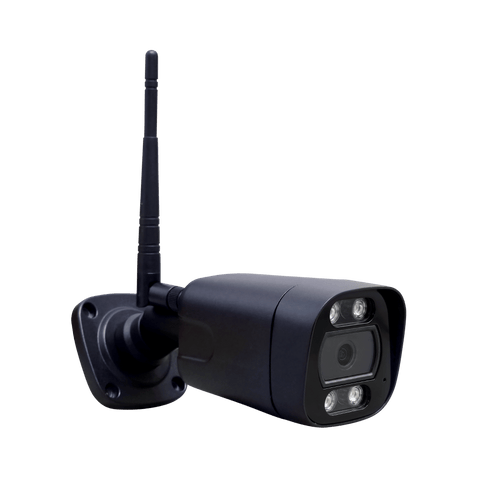
Bullet Camera
- Day
- 2.8W
- Infrared on
- 6W

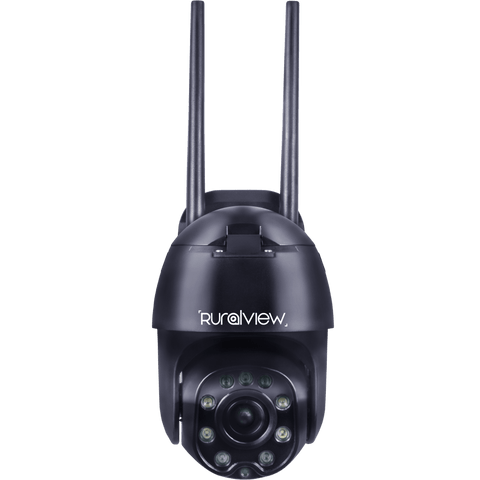
360 Mini Camera
- Day
- 3W
- Infrared on
- 8.5W

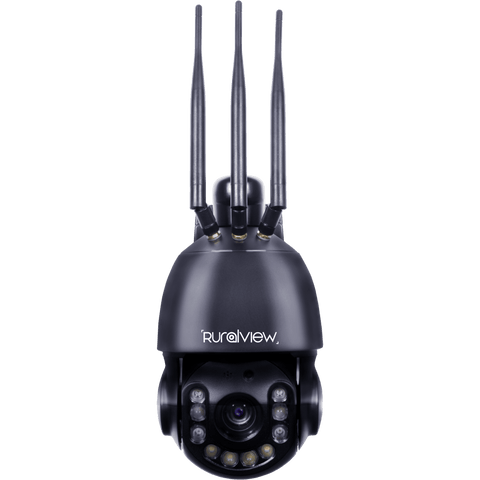
360 Zoom Camera
- Day
- 4W
- Infrared on
- 10.3W
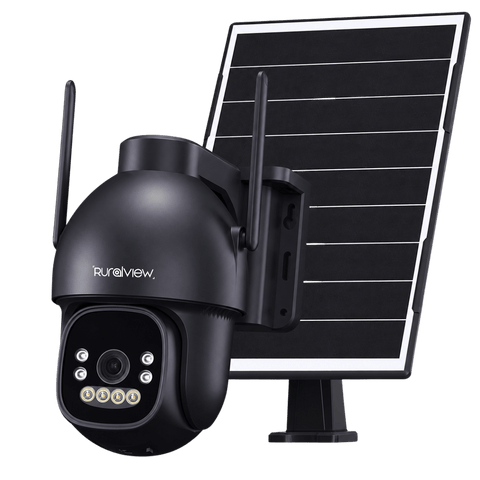
These figures apply to the listed 12V camera models. The standalone Solar 4G Camera has its own battery and panel and is not covered by these examples. Confirm the power specification for your camera version before sizing a system.
Understand the estimate
A 75Ah battery, step by step.
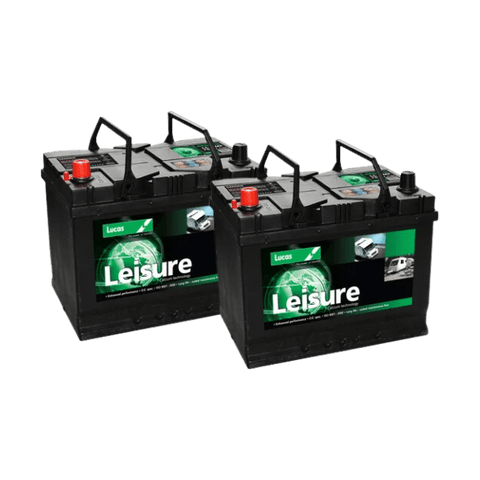
Rated battery energy is voltage × capacity. For a 12V, 75Ah battery, that is 900Wh before allowing for usable capacity and losses.

1. Battery energy
12V × 75Ah = 900Wh of rated energy.

2. Daily camera use
Day watts × day hours, plus night watts × infrared hours, gives Wh per day.

3. Estimated runtime
Usable battery energy ÷ daily camera use gives runtime in days.
| Camera | Longer days 16h day / 8h infrared | Shorter days 8h day / 16h infrared |
|---|---|---|
| Bullet Camera | 9.7 days92.8Wh per day | 7.6 days118.4Wh per day |
| 360 Mini Camera | 7.8 days116Wh per day | 5.6 days160Wh per day |
| 360 Zoom Camera | 6.1 days146.4Wh per day | 4.6 days196.8Wh per day |
For the 360 Zoom in the shorter-day example: (8 × 4W) + (16 × 10.3W) = 196.8Wh per day. 900Wh ÷ 196.8Wh = approximately 4.6 days at 100% rated capacity.
These are illustrative day/night patterns, not precise solstice hours or guaranteed runtimes. With only 50% of rated capacity usable, the runtime estimate halves. Allow for losses and a reserve.
Leave room for real life
What changes battery runtime?

More time in the dark
Inside a barn or shed, infrared may stay on during daylight hours. Choose the always-dark setting if that reflects your site.
Battery condition
Type, age, temperature and permitted depth of discharge affect how much of the rated capacity you can use.

Signal and season
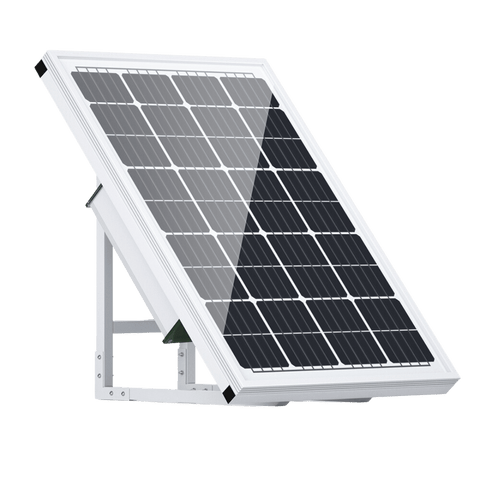
Camera use and mobile signal can affect demand. Shorter winter days also give solar panels less opportunity to charge.
Useful answers before you choose
Battery questions, answered.

Advice from our UK team
Not sure how much power you need?
Tell our UK team which camera you have, where it will be used and how often you can recharge. We can help you think through a suitable battery or solar setup.